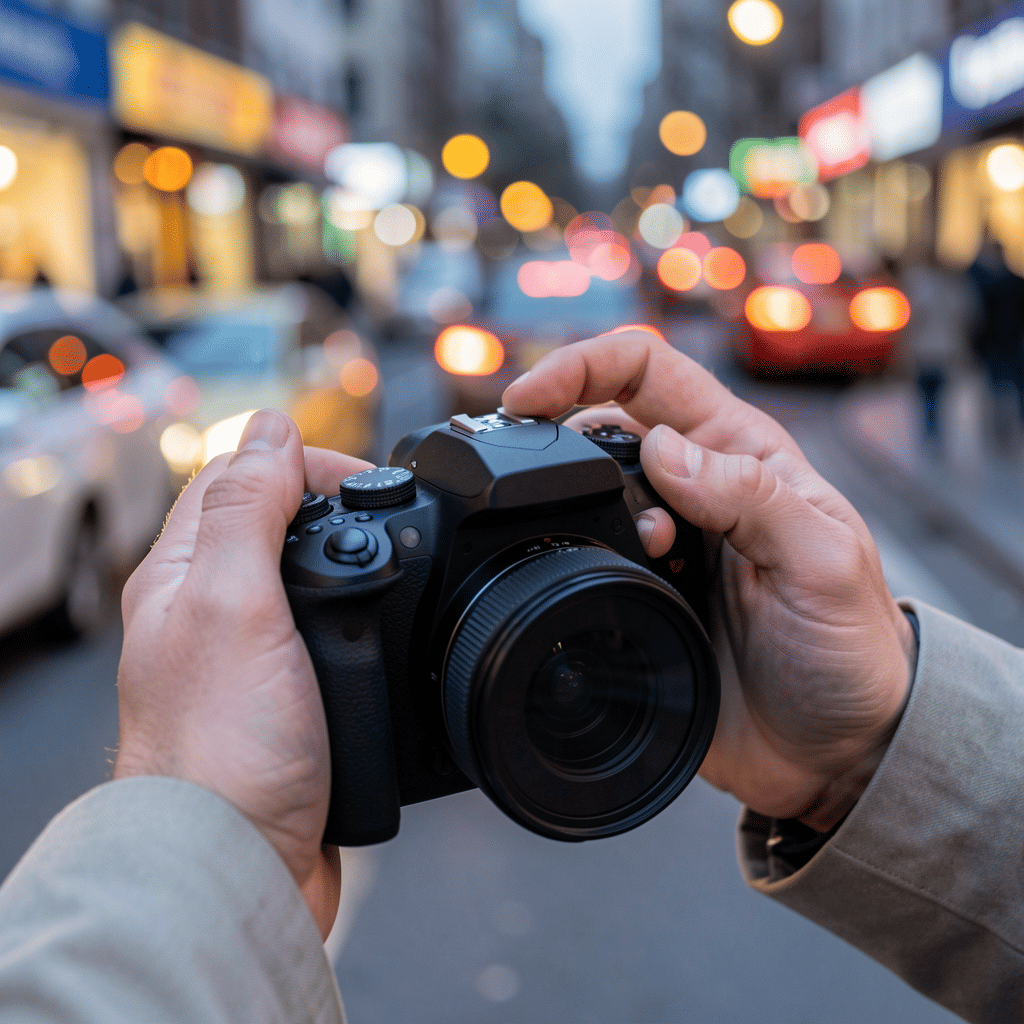
Exploring camera settings is a fundamental step towards harnessing the full potential of your gear and crafting captivating visuals. Whether you're an experienced enthusiast looking to refine your skills or a newcomer eager to embrace the world of image-making, understanding the intricacies of your device can elevate the quality of your work significantly.
Exposure: The Bedrock of Image Creation
The term exposure refers to the amount of light that reaches your camera sensor. Achieving proper exposure is all about balancing three essential components: aperture, shutter speed, and ISO.
-
Aperture (f-stop): This refers to the opening in the lens through which light enters. A smaller f-stop number, like f/1.8, means a larger opening, allowing more light in and creating a shallow depth of field, ideal for portraits. Conversely, a larger f-stop number, such as f/16, allows less light in, offering a deeper focus range, which is great for landscapes.
-
Shutter Speed: This is the duration the shutter stays open to let light hit the sensor. Faster speeds, like 1/1000 of a second, can freeze motion, which is essential for capturing fast-moving subjects. Slower speeds, like 1/30 of a second, allow more light and can create motion blur, useful in conveying movement in photographs.
-
ISO: This represents the sensor's sensitivity to light. Lower values like ISO 100 are best for brightly lit environments, while higher values like ISO 3200 can be used in darker settings. Be cautious, as higher ISO settings can introduce noise or grain into the image.
White Balance: Capturing True Colors
White balance ensures that colors are rendered correctly under different lighting conditions. Most devices offer preset settings such as daylight, cloudy, tungsten, and fluorescent. Selecting the appropriate setting ensures that whites appear true and colors remain faithful to the scene.
Focus Modes: Precision at Its Best
Focus is critical to ensuring your subject stands out. Most devices offer a variety of focusing modes:
-
Single Focus: Ideal for still subjects, this mode locks focus once the shutter button is pressed halfway.
-
Continuous Focus: Perfect for moving subjects, as the device continuously adjusts focus while the shutter button is pressed halfway.
-
Manual Focus: For those who seek complete control, manual focus allows you to adjust the clarity by hand, useful in situations where the device might struggle to automatically focus.
Shooting Modes: Tailoring Your Approach
Modern devices typically provide multiple shooting modes to cater to various scenarios:
-
Automatic Mode: The device makes decisions for you, adjusting settings to achieve the best possible result in most situations.
-
Program Mode: Provides slight autonomy by allowing tweaks to settings like ISO while the device manages everything else.
-
Aperture Priority Mode: You set the aperture, and the device adjusts the shutter speed accordingly, suitable for controlling depth of field.
-
Shutter Priority Mode: You set the shutter speed, perfect for controlling motion blur, while the device adjusts the aperture.
-
Manual Mode: Offers full control, allowing you to independently adjust aperture, shutter speed, and ISO. It's a preferred choice among those keen on experimenting with different combinations.
Practice: The Key to Mastery
While understanding these settings is crucial, application in various scenarios solidifies your learning. Experiment with different combinations and settings in diverse lighting situations to see how they impact your images. With time and practice, manipulating these components will become second nature, empowering you to create visuals that truly resonate with your creative vision.