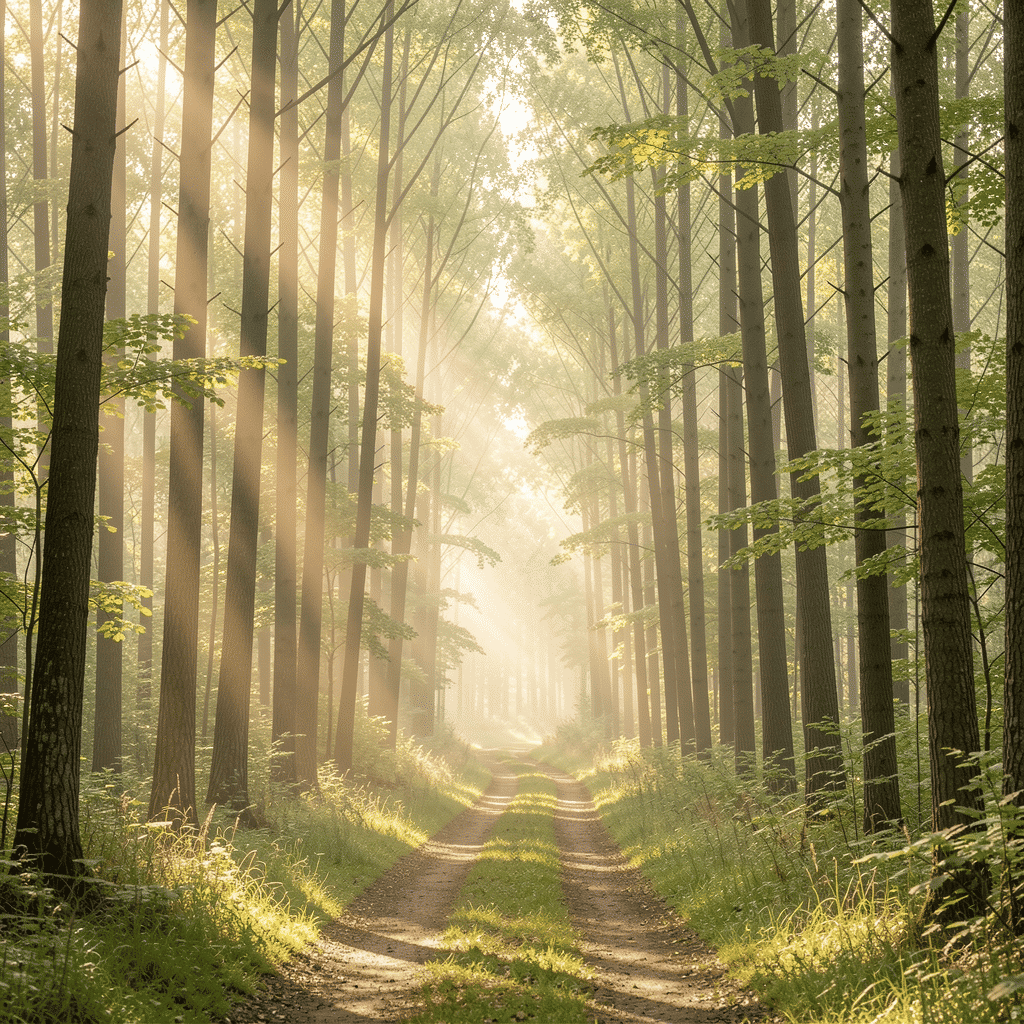
Understanding the fundamentals of lighting can make a significant difference in enhancing the quality of your images, whether you're working indoors or outdoors. Lighting not only highlights the subject but also sets the mood and adds depth to your shots. Let's delve into some essential concepts to help you bring out the best in every situation.
Natural and Artificial Light
Natural light, primarily from the sun, offers a broad spectrum of colors and is often preferred for its soft and dynamic qualities. However, controlling natural light can be challenging. The golden hours, just after sunrise and before sunset, are ideal times to capture softer hues and gentle shadows.
Artificial light, on the other hand, provides more control. It includes all forms of lighting not derived from nature, such as lamps, flashlights, and studio lights. These sources allow you to adjust intensity and direction to achieve the desired effect.
Quality and Direction of Light
The quality of light refers to its softness or hardness. Soft light, like that produced on an overcast day, wraps around the subject and reduces harsh shadows. Conversely, hard light, akin to midday sun, creates defined edges and stark contrast.
Direction plays a critical role as well. Front lighting offers even illumination but can sometimes render your subject flat. Side lighting introduces more dimension, enhancing textures and contours by casting shadows. Backlighting can produce silhouettes and adds dramatic flair.
The Role of Reflectors and Diffusers
Reflectors are invaluable tools for redirecting light to fill in shadows and highlight your subject evenly. They are particularly useful when shooting outdoors, where environmental control is limited. Diffusers scatter light, reducing its intensity and softening shadows. This makes them ideal for harsh, direct light situations.
Balancing Color Temperature
Every light source emits a color temperature, which affects the overall tone of your image. The scale ranges from warm (orange) to cool (blue). For consistency, it's essential to balance these temperatures, typically through adjusting your camera settings or using color filters, ensuring that your images maintain a natural look without unwanted color casts.
Using Shadows Creatively
Shadows shouldn't be viewed merely as an absence of light but rather as a compositional element in your work. They can add intrigue, mystery, and depth, guiding the viewer’s eye to the focal point and enhancing the narrative of the image.
Practice and Experimentation
Lighting mastery comes with practice and experimentation. Try different lighting setups and take note of how changes in positioning, intensity, and modifiers affect your images. Over time, you’ll develop an intuitive understanding that empowers you to light any scene with confidence.
By embracing these essentials, you can transform your images and ensure they stand out with clarity and vibrancy. Whether you're capturing portraits, landscapes, or still life, mastering lighting is a skill that unlocks new creative possibilities.